Mobility made possible.


Prosthetists on Building Better Rehab Journeys
Posted on Tuesday, June 2, 2026
From First Fit to Full Mobility: Prosthetists on Building Better Rehab Journeys
A successful prosthetic journey is shaped long before a patient takes their first confident steps. From early communication to prescription choices and interdisciplinary teamwork, prosthetists play a crucial role in setting the foundations for long term mobility.
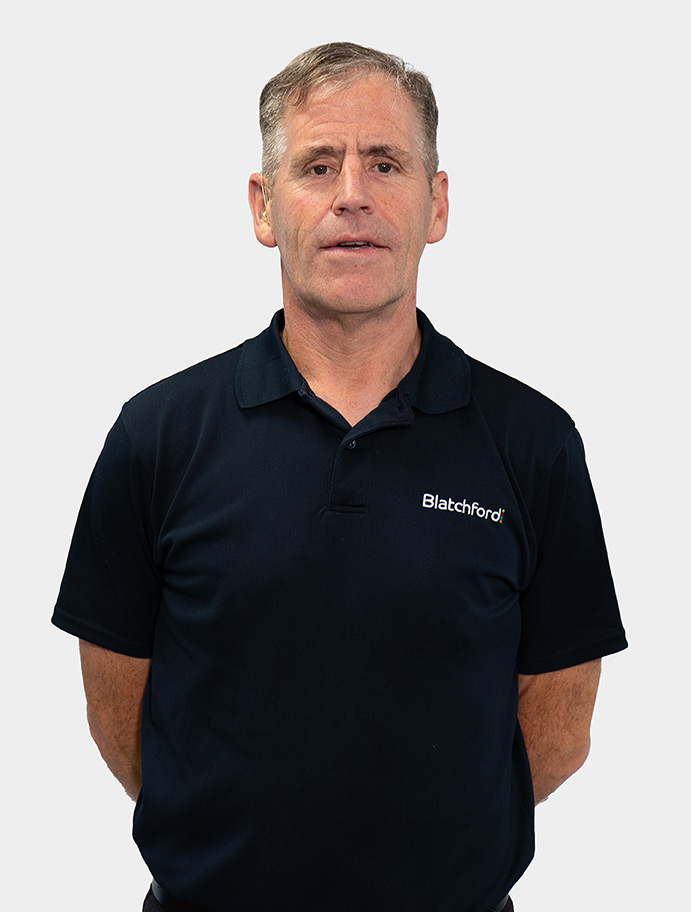
We spoke with Mark Thoburn MBE, Prosthetist and Clinical Trials Specialist at Blatchford, to explore the decisions, challenges and clinical reasoning that guide patients from their first fit through to full independence.
What do you focus on during the first fit to set the patient up for a smoother rehab journey?
Mark: It is important that the patient understands the process, so good communication of the important facts is crucial. Prosthetic rehab is a long journey with many ups and downs. What works well one day may not work so well the next, and things will need to change as the patient progresses along their rehab journey.
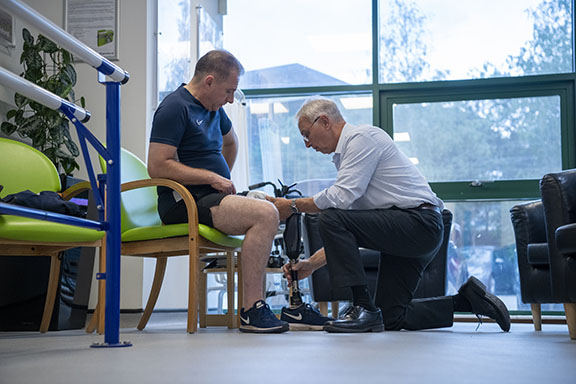
Fit and comfort of the socket are much more important than the product attached to it. You can have the most technically advanced prosthetic limb in the world, but if it hurts to wear it or falls off when you use it, it will not be any good. That said, user acceptance of the device is also important, so there may need to be a compromise between form and function that can be addressed further along in the journey.
Where in the rehab pathway does a prosthetist’s input have the biggest impact on long term mobility?
Mark: Getting the prescription right is really important. Every patient is an individual, and providing the right products at the right time to help facilitate the best possible outcomes is crucial to a good result.
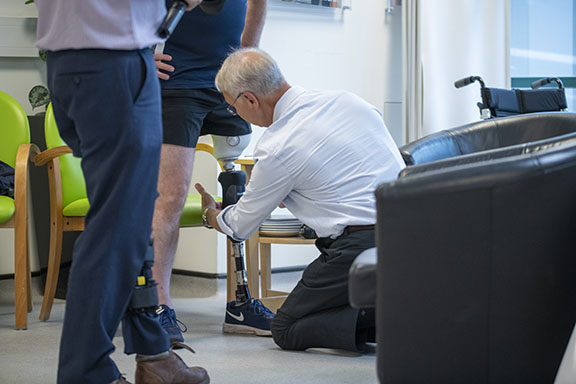
In the early stages of rehab, as the amputee starts to work on the basics of mobility, it is important that the prosthetist is available to make any required alignment adjustments to optimise the patient's gains as they work with the physio. Once the user has learned how to optimise their control of the limb, there may be further benefits to be gained by changing the prescription.
How has working in an interdisciplinary rehab centre shaped the way you support patients through each stage?
Mark: Working as part of an interdisciplinary team ensures that everyone collaborates to help the patient achieve the goals they have identified and agreed to work towards. From a clinician’s perspective, it ensures you are aware of any issues that may affect the rehab journey, especially those you may not have identified as a prosthetist but that could have a significant impact on rehab, such as mental health, housing, or family issues.
Can you share an example where an early decision or adjustment changed the patient’s long term outcome?
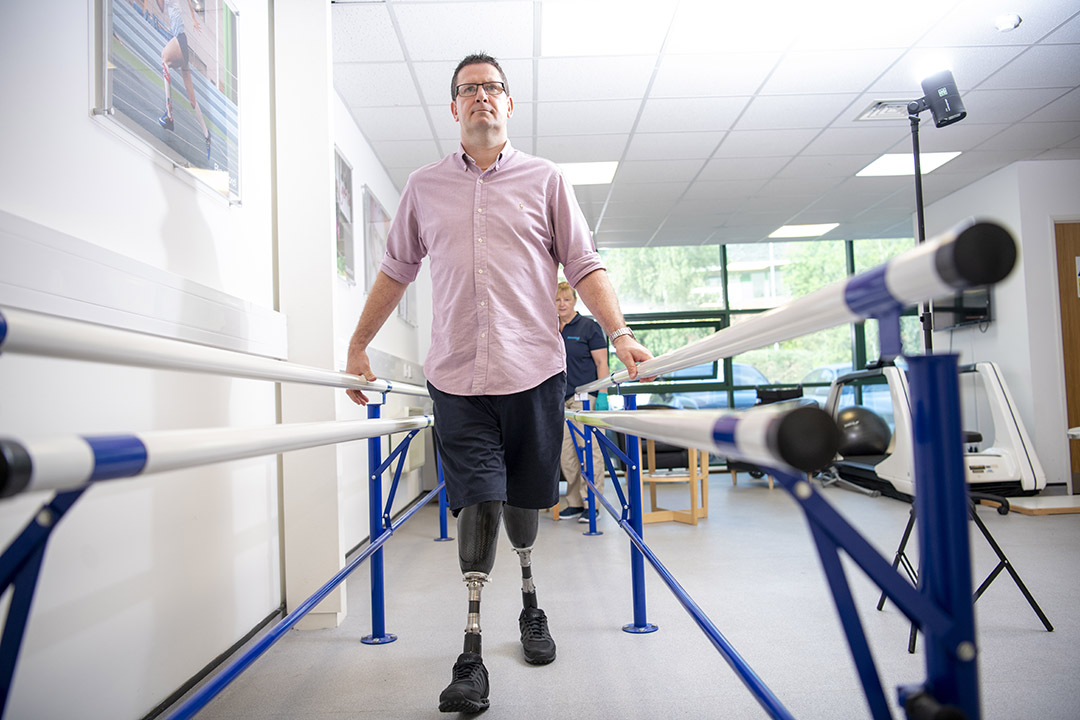
Mark: A really good example for me has been the use of “stubby” prostheses for patients who have lost both legs through or above the knee. The use of short, non-articulated, stubby prostheses during the early stages of rehab often helps the user get around without their wheelchair, become more independent in their limbs more quickly, and teach them the skills that may allow them to become successful users of articulated limbs in the future.
There is often initial pushback from patients who are concerned about their appearance with these very short limbs, but with good support and information from the treating team, they can make good progress and achieve their goals more easily. They also often find the stubby limbs useful for a variety of tasks later in their prosthetic journey. For example, you do not need to be 6 feet tall to play with your 2 year old child.
What practical advice would you give other clinicians for guiding patients from early rehab to full mobility?
Mark: Work closely with the rest of the rehab team, respect their opinions, and do not be too quick to be offended if someone suggests ways to improve the patient’s progress. In my experience, most clinical professionals are just making a suggestion because they want to help the patient achieve their goals, and they are asking if something might help rather than suggesting you have done something wrong.
Stick to your area of expertise, but do not be afraid to discuss issues with other team members. Learn from your AHP colleagues. They may look at things differently than you do.
Learn about Blatchford's residential rehabilitation service:
More articles
-

How Prosthetists Tune Hydraulic Ankles for Real World Gait
FEET ANKLES GAIT HYDRAULICSPosted on Thursday, May 28, 2026 , in Prosthetics
-
How Avior's Baseline Configurations Are Built for Real-World Rehab
AVIOR PROGRAMMING KNEES MPK MICROPROCESSORS SOFTWAREPosted on Thursday, May 8, 2025 , in Prosthetics
-

Understanding the latest Medicare Policy guidelines
PROSTHETICS K2 MOBILITYPosted on Friday, September 6, 2024 , in Prosthetics